


03 Jul FAQs About Applied Kinesiology: Everything You Need to Know
Ever wondered if your body communicates subtle signals about its inner workings? Applied Kinesiology (AK) proposes a unique way to listen.
It is a holistic practice, often involving functional manual muscle testing (muscle response testing), which suggests an insightful approach to understanding the body’s functional balance. Perhaps you’ve heard whispers about this method, or are simply curious about alternative avenues for enhancing your vitality.
Discover how AK offers a unique perspective on optimising your natural resilience and fostering a deeper connection with your body’s innate wisdom through this FAQ guide!
Understanding the Basics
1. What exactly is Applied Kinesiology (AK)?
Applied Kinesiology (AK) is a non-invasive approach utilised by chiropractors and other wellness practitioners to assess the body’s functional and energetic balance.
It employs functional manual muscle testing (FMMT) as a primary tool to gain insights into an individual’s unique physiological responses [1].
The core principle is that muscle hyporeactivity (slower muscle response) can indicate imbalances or dysfunction in various systems, including structural, chemical, and mental or emotional [2].
Practitioners leverage muscle testing to gather this unique feedback, helping to illuminate areas of energetic or functional disharmony.
Developed in 1964 by pioneering chiropractor Dr. George Goodheart, this method often incorporates concepts reminiscent of Traditional Chinese Medicine (TCM), such as meridian pathways [3].
2. How does functional manual muscle testing (FMMT) work in Applied Kinesiology?
Functional Manual Muscle Testing (FMMT) in AK involves a practitioner applying light pressure to a specific muscle while the patient attempts to resist. The practitioner assesses the muscle’s strength and resilience, looking for subtle changes or “weakness” in response to various stimuli.
The following isn’t about testing the raw strength of a muscle but rather its neurological response, which can provide insights into the functional integrity of organs, glands, or systems connected to that muscle through neural pathways.
3. Is “Applied Kinesiology” the same as “Kinesiology” or “Health Kinesiology”?
No, while they share the term “kinesiology” (the study of motion), they are distinct practices. Let’s take a look at their differences:
| Feature | Kinesology | Applied Kinesiology (AK) | Health Kinesiology (HK) |
|---|---|---|---|
| Primary Focus | Broad academic study of human movement, performance, and function. | Holistic assessment of functional imbalances in the body. | Balancing energy systems, addressing emotional blocks, identifying sensitivities. |
| Core Method | Encompasses various scientific disciplines (biomechanics, exercise physiology, motor control). | Uses manual muscle testing (MMT) as a biofeedback mechanism. | Also utilises manual muscle testing (MMT). |
| Practitioner Base | Academics, researchers, exercise scientists, physical therapists, etc. | Licensed healthcare professionals (e.g., chiropractors). | Often complementary or holistic practitioners. |
| Approach | Scientific and academic. | Holistic, often drawing on complementary concepts (e.g., TCM). | Holistic, focusing on energy and subtle body systems. |
| Goal | Understand and optimise human movement and function for various applications (e.g., sports, rehabilitation). | Identify and address underlying functional imbalances to support well-being. | Restore energetic balance, clear blockages, and promote overall vitality. |
Struggling with tension, stage fright, or movement limitations? Learn how the Alexander Technique can help – explore our article for performers!
Applications and Benefits: What Can AK Help With?
Applied Kinesiology is a diagnostic tool that can help practitioners gain a deeper understanding of the underlying causes of a wide range of conditions, rather than directly “treating” specific diseases.
It can provide insights into issues related to:
- Musculoskeletal pain: Back pain, neck pain, joint issues, postural imbalances.
- Digestive problems: Bloating, indigestion, food sensitivities.
- Fatigue and low energy: Identifying potential nutritional deficiencies or organ imbalances.
- Stress: Understanding how emotional stressors impact the body.
- Headaches and migraines: Exploring structural or biochemical contributing factors.
- Nutritional deficiencies: Helping to determine specific nutrient needs or sensitivities.
What are the potential benefits of undergoing Applied Kinesiology?
For individuals seeking a holistic perspective on their well-being, exploring Applied Kinesiology (AK) can offer a unique pathway.
Patients who incorporate AK into their wellness journey often report experiencing a variety of potential benefits. It’s important to remember that AK aims to support the body’s natural abilities and complements, rather than replaces, professional medical approaches.
Here are some potential benefits reported by those undergoing AK include:
- Gaining Insights into Functional Imbalances
AK practitioners utilise muscle response testing to gather information about how different systems in the body might be functionally imbalanced. This process aims to reveal areas of underlying stress or disharmony, which can contribute to a better understanding of one’s overall state. - A Holistic Perspective
AK considers the interconnectedness of various aspects of well-being – often described as the “Triad of Health”, encompassing structural, chemical, and mental/emotional dynamics [4].
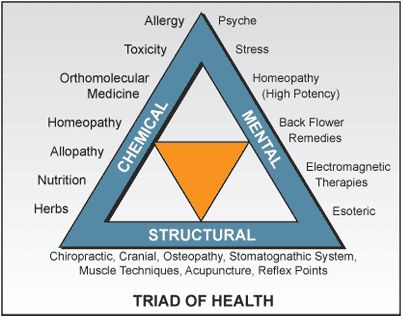
This comprehensive view acknowledges that discomfort or reduced vitality in one area might be influenced by imbalances in another.
- Personalised Wellness Guidance
Based on the unique muscle responses observed, AK practitioners can develop highly individualised suggestions. These recommendations are tailored to what the body’s responses indicate, aiming to support the individual’s specific needs for fostering balance and resilience. - Non-Invasive Assessment
The core technique of muscle response testing is gentle and non-invasive, providing a unique way to gather feedback about the body’s functional status without discomfort. - Supporting Overall Well-being
When identified functional imbalances are addressed, AK may contribute to an enhanced sense of vitality, a more harmonious bodily state, and a general improvement in overall comfort and well-being such as your musculoskeletal health system [5].It’s about supporting the body’s innate capacity for self-regulation and optimal function.
AK is best viewed as a contributing element to a comprehensive wellness strategy, working in harmony with other health and lifestyle choices.
Applied Kinesiology (AK) can be a beneficial addition to your wellness strategy, offering insights into your body’s functional balance and supporting its natural self-regulating abilities. It’s important to understand that AK works alongside, not instead of, conventional medical treatments. Consulting with healthcare professionals ensures an integrated approach tailored to your individual health requirements.
Scientific Standing & Critiques: Is AK Evidence-Based?
1. Is Applied Kinesiology scientifically proven?
The scientific community holds mixed views on the efficacy of Applied Kinesiology. While many anecdotal reports and clinical observations support its effectiveness, the amount of robust, high-quality scientific research specifically validating AK as a diagnostic and therapeutic system is limited compared to conventional medical practices.
Some studies have shown promising results in specific areas, but more large-scale, peer-reviewed research is needed to meet the rigorous standards of scientific evidence.
For more information, check out this documentary on the specificity of AK: https://icaka.org.au/applied-kinesiology-documentary-the-best-kept-secret-in-healthcare/
Finding a Qualified Practitioner
A qualified Applied Kinesiology practitioner should typically hold a license in a healthcare field, such as:
In addition to their primary license, they should have completed extensive post-graduate training and ideally be certified by a reputable organisation like the International College of Applied Kinesiology (ICAK).

Safety and Considerations
1. Are there any risks or side effects associated with Applied Kinesiology?
Applied Kinesiology itself is a non-invasive diagnostic tool and is generally considered safe when performed by a qualified and licensed practitioner. There are typically no direct risks or side effects associated with the muscle testing itself.
However, as with any healthcare intervention, it’s crucial that your practitioner accurately interprets the findings and recommends appropriate and safe treatment plans.
2. Are there any situations or conditions where AK might not be appropriate?
While AK is broadly applicable, it’s essential to remember it’s a diagnostic tool and not a standalone cure for all ailments. It should not be used as a substitute for conventional medical diagnosis or treatment, especially in emergency situations or for serious medical conditions.
Therefore, it is always important to also disclose your complete medical history and any concerns with your practitioner before beginning any session.
Applied Kinesiology at Sage Chiropractic
Applied Kinesiology offers a unique lens through which to understand your body’s intricate network of systems.
Our licensed practitioners at Sage Chiropractic use functional manual muscle testing, a core diagnostic tool in Applied Kinesiology, to identify subtle imbalances that might be contributing to your health issues.
Let us guide you towards a truly holistic approach to your wellness.
Read What Our Clients Say About Us!




Related Articles

How effective is the Alexander Technique? Your Definitive Guide
Relieve pain, improve posture, and reduce stress with the Alexander Technique. Explore its effectiveness and discover if it's the right solution for you.
14 February, 2025
What is Neuro Emotional Technique (NET)? (And Does it Really Work)
In this article, we discuss how NET works, its effectiveness, the conditions it targets, whether it’s right for you, and how it compares to other therapies. Read to learn more!
04 March, 2025
Benefits of Paediatric Chiropractic Care For Children
Explore the benefits of paediatric chiropractic care to support your child’s posture, mobility, and overall health with gentle spinal adjustments.
04 April, 2025
What is Sacro-occipital Technique? A Complete Guide
Curious about the Sacro-occipital Technique (SOT)? This guide explains this gentle chiropractic approach and its potential for easing pain and discomfort.
02 May, 2025
All You Need to Know About Dry Needling Technique
Explore the benefits of dry needling for pain relief and muscle tension. Learn more about this chiropractic technique and how it can help you feel better.
28 May, 2025FAQs About Applied Kinesiology: Everything You Need to Know
Get answers to all your questions about Applied Kinesiology! Discover how this holistic approach can help identify imbalances and improve your well-being.
03 July, 2025


