


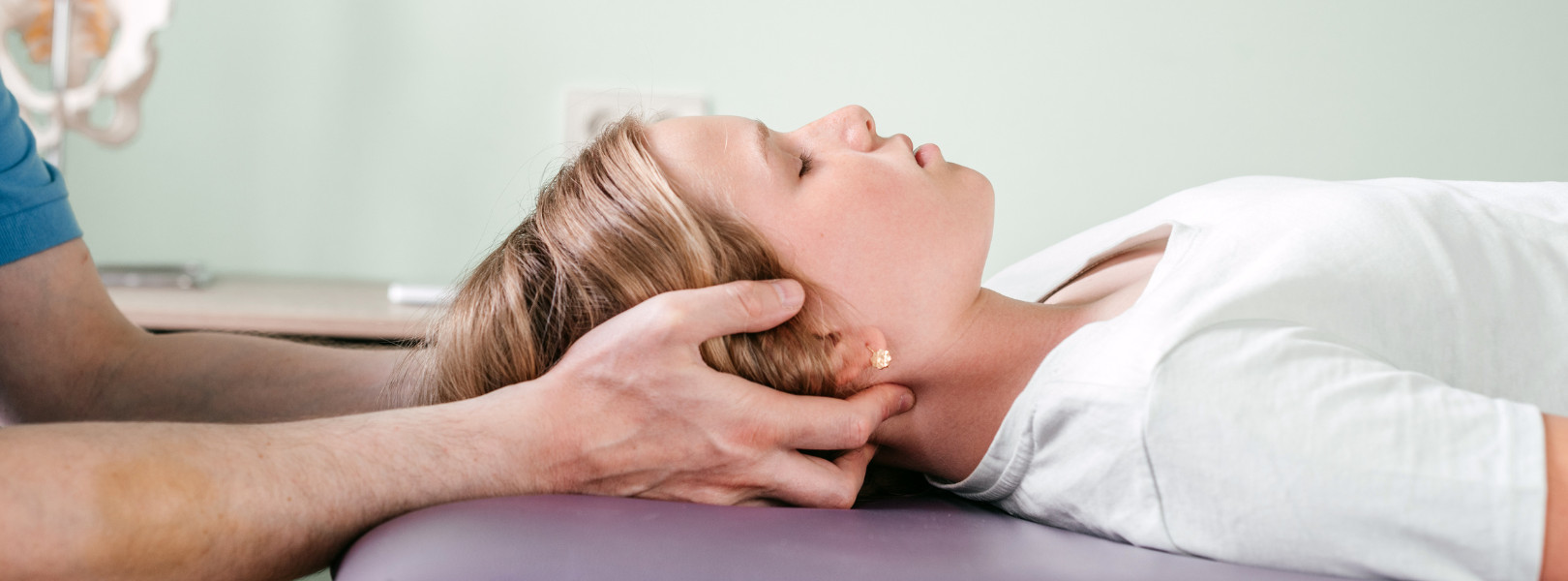
02 May What is Sacro-occipital Technique? A Complete Guide
The human body operates as a remarkably integrated system; stress or imbalance in one region can often lead to compensatory discomfort in others.
If you’re looking for natural relief, the Sacro-occipital Technique (SOT) offers a gentle chiropractic approach that addresses the crucial relationship between your sacrum (base of the spine) and occiput (base of the skull).
This might prompt you to ask:
- How exactly does SOT work?
- Is there a solid foundation to this chiropractic technique?
- What kind of benefits might SOT offer?
In the following pages, we’ll delve into these questions and more.
Join us as we explore the mechanics of SOT, its potential benefits, who might find it helpful, and how it fits within the broader landscape of well-being practices.
What is Sacro-occipital Technique (SOT)?
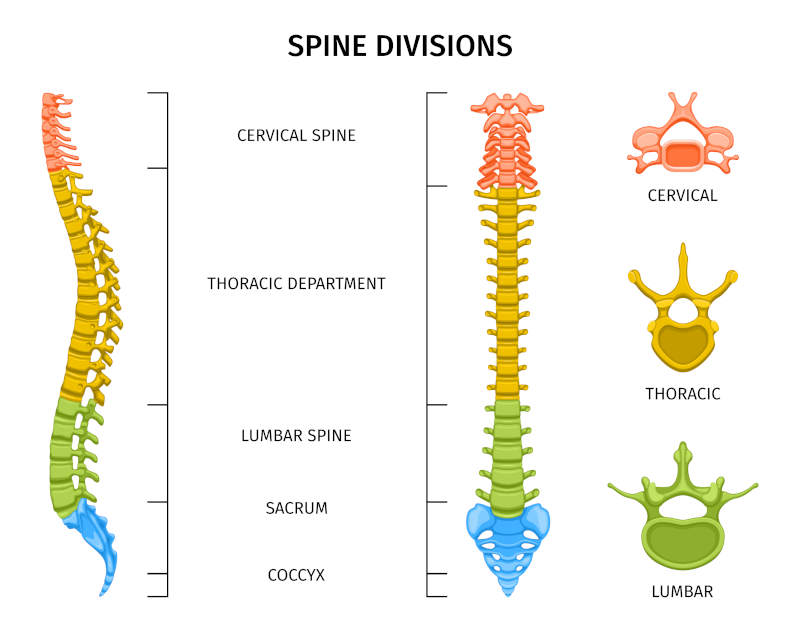
Sacro-occipital Technique (SOT) is a technique developed by Dr. MB DeJarnette in the early 20th century that focuses on the crucial relationship between the sacrum and occiput for overall health and biomechanical balance.
SOT is a specialized chiropractic approach that focuses on the connection between the sacrum (the triangular bone at the base of the spine) and the occiput (the bone at the back of the head).
To understand better, let’s think of it this way:
- Your brain and spinal cord are like important wires running through this highway. They’re surrounded by a protective covering.
- SOT believes there’s a vital flow of fluid and a special connection between your sacrum and your occiput through this covering.
- If there’s a problem or imbalance in this connection – maybe your hips are a little twisted or there’s pressure in your lower back – it can cause issues not just in your back, but potentially in other parts of your body too.
How SOT tries to help
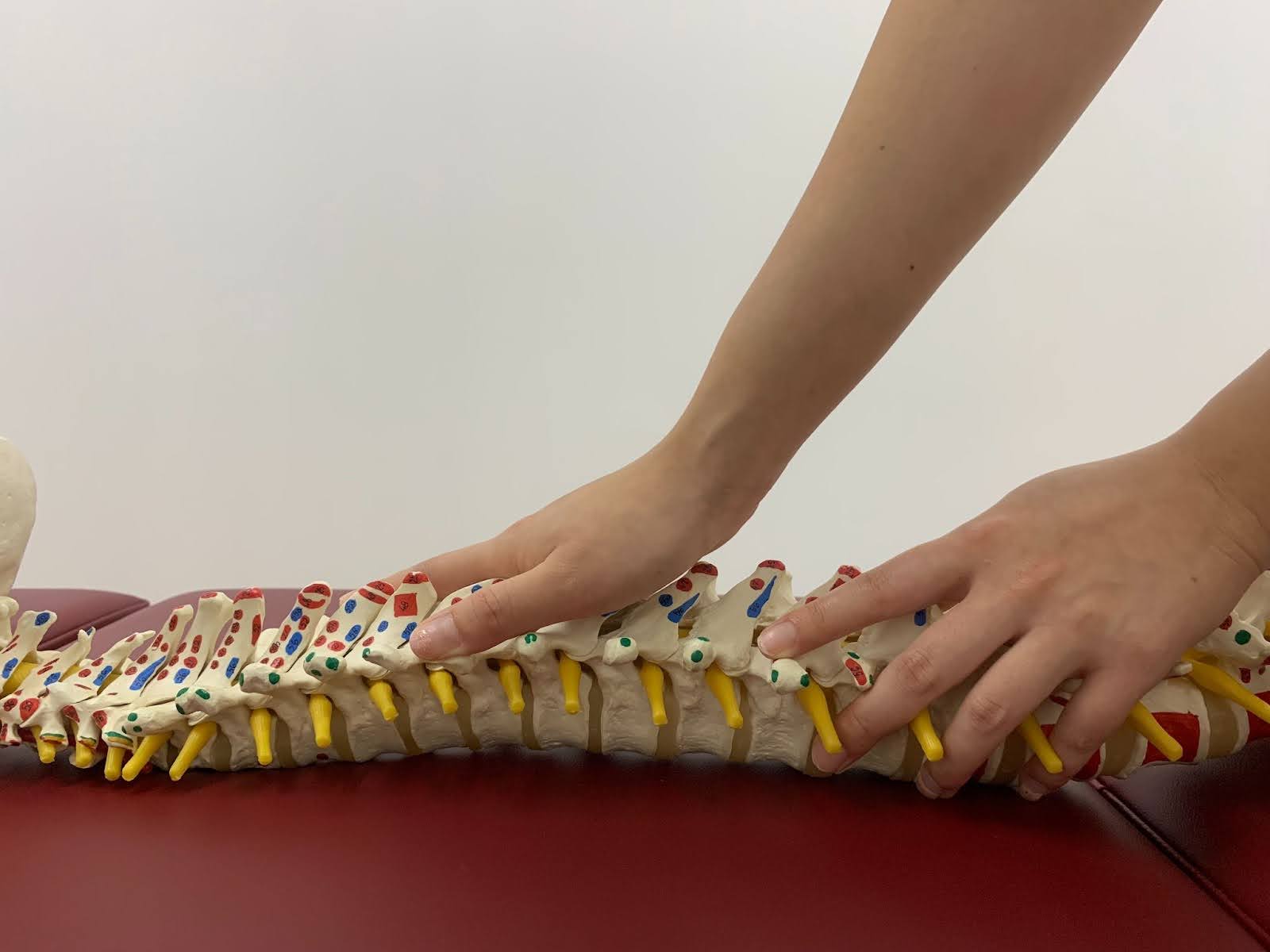
SOT chiropractors use a system of three main categories to understand the origins of these imbalances and how your body is compensating for any issues.
To understand how your body is compensating for any issues, SOT uses three main categories. These categories help your chiropractor figure out the best way to treat you:
- Category I: Indicates a primary sacroiliac joint dysfunction, often involving pelvic torsion.
- Category II: Involves instability in the sacroiliac joint, frequently associated with ligamentous strain.
- Category III: Points to disc involvement in the lumbar spine.
To further understand the efficacy of SOT and its application within these categories, research such as one conducted in South Korea has showcased that SOT helped ease lower back pain and improved the overall functionality of patients [1].
How Does SOT Work?
SOT employs gentle, hands-on adjustments and uses specific indicators to identify and correct imbalances within the craniosacral system and the body as a whole.
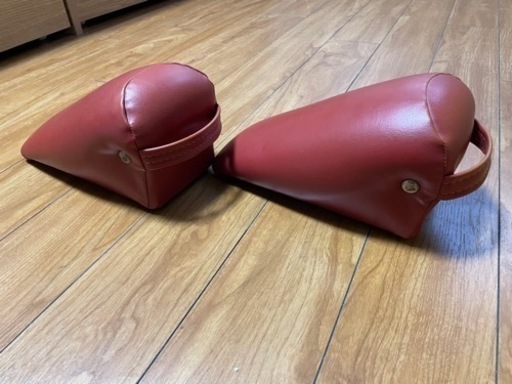
Chiropractors trained in SOT utilize triangular blocks (also known as pelvic blocks) placed under the pelvis to facilitate self-correction through the patient’s own body weight and breathing.
These blocks act as a gentle lever, encouraging the body to restore proper alignment and reduce stress on the nervous system [2].
The technique also involves cranial work, addressing restrictions in the movement of the cranial bones and the flow of cerebrospinal fluid
With aims to help you alleviate pain, improve posture, and enhance your overall well-being, SOT comes in functional in restoring proper biomechanics and neurological function of your body.
Struggling with tension, stage fright, or movement limitations? Learn how the Alexander Technique can help – explore our article for performers!
How SOT Can Improve Your Well-being?
SOT’s gentle and holistic approach makes it a potential benefit for a wide range of individuals experiencing various discomforts and disorders.
While it’s always best to consult with a qualified healthcare professional for personalized advice, SOT may be helpful for those experiencing:
1. Back pain, including lower back pain
SOT’s core belief in balancing the sacrum (base of the spine) and occiput (back of the head) is key to spinal stability, and by specifically addressing pelvic imbalances to restore proper sacral movement, SOT can help ease lower back pain.
Supporting this, a study using SOT’s Category blocking – a technique focused on stabilizing the pelvis – showed that individuals with unstable pelvic joints experienced improved flexibility in their lower backs, including better bending, twisting, and side-to-side movement [3].
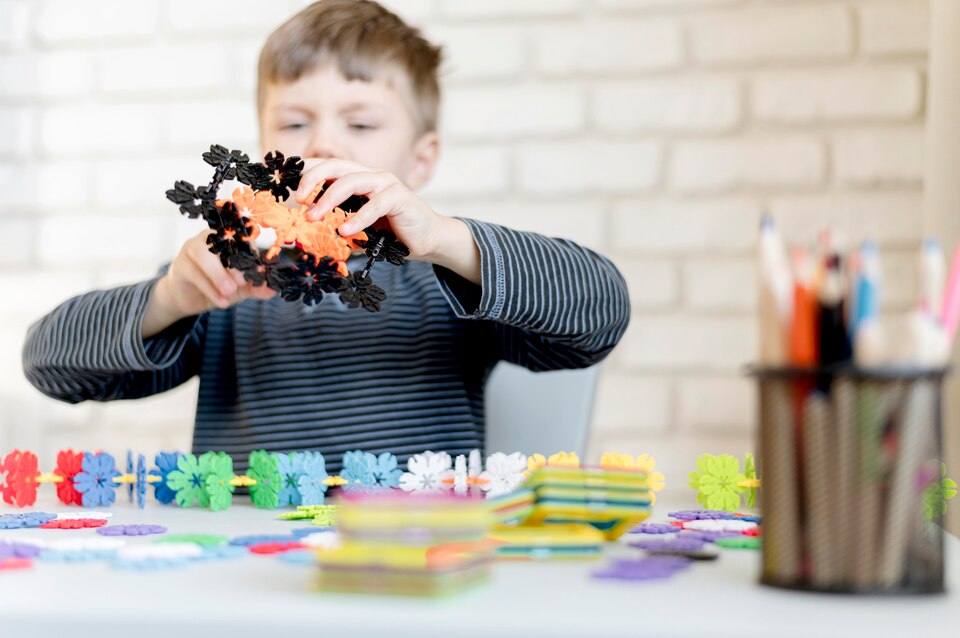
2. Certain childhood conditions
While requiring specialized training and careful application, some SOT practitioners work with children experiencing issues like torticollis (twisted neck) or plagiocephaly (misshapen head), where gentle cranial work and addressing spinal alignment may be beneficial.
A study indicates that chiropractors commonly use SOT, applying gentle forces (below 1 N), for children of all ages to restore neurologic function by addressing tension in the fascia, muscles, spine, pelvis, and cranial joints [4].
While it doesn’t explicitly list specific deformities SOT helps with, it notes its use in restoring joint and neurologic function and reducing neck pain, back pain, and joint stiffness in children, suggesting a broader application that may encompass addressing certain structural abnormalities.
3. Pelvic pain and instability
SOT specifically addresses misaligned or unstable pelvis through its diverse set of techniques, with pelvic blocking being a particularly prominent method.
This involves the strategic placement of wedge-shaped blocks under the pelvis while the patient lies in a prone position.
Through careful positioning of these blocks, SOT practitioners aim to help you reduce abnormal stresses and tensions within your pelvic joints and surrounding soft tissues.
The goal is to restore proper pelvic symmetry and stability, which in turn can alleviate the underlying causes of pelvic pain and contribute to improved overall musculoskeletal function.
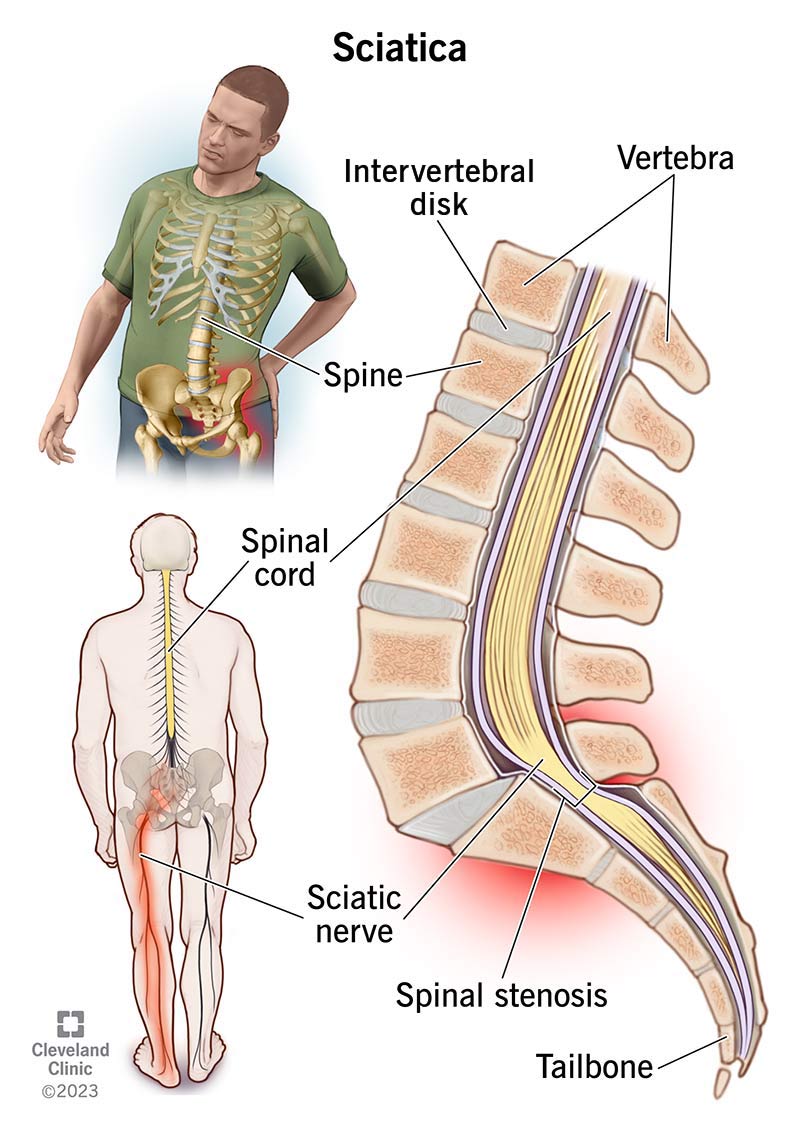
4. Sciatica
Sciatic nerve irritation can often stem from spinal misalignments and pelvic imbalances. SOT aims to address this by restoring proper pelvic and lumbar biomechanics, potentially reducing pressure on the nerve.
A case study further illustrates SOT’s potential, showing significant reduction in severe sciatica and low back pain caused by a disc extrusion in a 47-year-old female, leading to a 90% decrease in radicular pain and a return to full function without recurrence [5].
5. Temporomandibular joint (TMJ) disorders
The function of the temporomandibular joint (TMJ) is closely related to the alignment of the skull and upper cervical spine, suggesting that interventions addressing these areas may benefit TMJ disorders.
SOT, with its focus on cranial work and the position of the occiput, has the potential to alleviate TMJ pain, clicking, and restricted jaw movement by addressing cranial imbalances that may contribute to TMJ dysfunction.
This aligns with findings from a case study where a multimodal chiropractic approach, encompassing spinal adjustments, soft tissue therapy, and exercise rehabilitation, demonstrated promising results in resolving TMD symptoms and improving the patient’s quality of life [6].
Although the case study highlights the positive impact of this chiropractic strategy, further research remains essential to validate these encouraging outcomes.
Sacro-occipital Technique can be a beneficial addition to your healthcare strategy, supporting nervous system function and promoting overall wellness. However, it’s important to understand that SOT works alongside, not instead of, conventional medical treatments. Consulting with healthcare professionals ensures an integrated approach tailored to your individual health requirements.
Beyond adults, chiropractic care can also offer significant benefits for children. Explore its potential in this article: Benefits of Paediatric Chiropractic Care For Children.
SOT Vs. Other Chiropractic Techniques
While all chiropractic techniques aim to restore proper spinal alignment and nervous system function, SOT distinguishes itself through its emphasis on the craniosacral system and the use of category-specific blocking.
Some other chiropractic techniques may involve more direct and forceful manipulations. Let’s have a look at their differentiations:
| Core Focus | Biomechanical relationship between sacrum and occiput; structural alignment of pelvis, spine, cranium. | Addressing the neuro-emotional component of health; unresolved emotional influences on physiology. | Assessing the functional relationship between muscles, organs, and the nervous system; identifying imbalances through muscle testing. |
| Primary Assessment | Postural analysis, specific SOT indicator tests (pelvic torsion, leg length inequality, etc.) to determine categories. | Muscle testing (often arm resistance) linked to specific emotional states or memories. | Manual muscle testing to evaluate the strength and response of various muscles to identify imbalances. |
| Treatment Techniques | Gentle pelvic blocking using triangular blocks; light cranial work; spinal adjustments (often low-force); soft tissue techniques. | Verbal processing of emotional events; brief physical contacts (acupressure points) to facilitate emotional release. | Manual therapy techniques (adjustments, soft tissue work, craniosacral therapy, meridian therapy, nutritional interventions); dietary and lifestyle recommendations. |
| Underlying Philosophy | Structural integrity of the craniosacral system is fundamental to nervous system function and overall health. | Unresolved emotional traumas or stressors can become neurologically "stuck" and contribute to physical and emotional symptoms. | The body has an innate ability to heal, and imbalances in the musculoskeletal, neurological, nutritional, and energetic systems can be identified and addressed through muscle testing. |
| Force of Techniques | Generally low-force and gentle, emphasizing the body's self-correction. | Very light physical touch; emphasis on verbal and emotional processing. | Varies widely depending on the technique used (can range from gentle to more forceful adjustments). |
| Cranial Involvement | Often includes gentle cranial work to address cranial restrictions and cerebrospinal fluid flow. | May indirectly address emotional states linked to cranial tension but not a primary structural cranial therapy. | Cranial techniques can be a part of AK treatment if muscle testing indicates a cranial imbalance. |
While all three approaches are holistic and aim to improve overall well-being, they differ significantly in their core focus, primary assessment methods, and dominant treatment techniques.
Your practitioner might choose one approach over another based on their training and your needs.
Final Thoughts
Alleviating a wide range of discomforts and unlocking greater well-being can be achieved through the gentle yet powerful SOT, which addresses the vital connection between your lower spine and skull.
Discover the potential benefits of SOT for your specific needs with Sage Chiropractic.
Book a consultation with Sage Chiropractic today!
Disclaimer: This article is for informational purposes only and does not replace professional medical advice. Consult with qualified medical professionals if you are experiencing body pain.
Read What Our Clients Say About Us!



Contact Sage for more information on AT and explore how we can help you.
Disclaimer: This article is for informational purposes only and does not replace professional medical advice. Consult with qualified medical professionals if you are experiencing body pain.
Related Articles
How effective is the Alexander Technique? Your Definitive Guide
Relieve pain, improve posture, and reduce stress with the Alexander Technique. Explore its effectiveness and discover if it's the right solution for you.
14 February, 2025
What is Neuro Emotional Technique (NET)? (And Does it Really Work)
In this article, we discuss how NET works, its effectiveness, the conditions it targets, whether it’s right for you, and how it compares to other therapies. Read to learn more!
04 March, 2025
Benefits of Paediatric Chiropractic Care For Children
Explore the benefits of paediatric chiropractic care to support your child’s posture, mobility, and overall health with gentle spinal adjustments.
04 April, 2025What is Sacro-occipital Technique? A Complete Guide
Curious about the Sacro-occipital Technique (SOT)? This guide explains this gentle chiropractic approach and its potential for easing pain and discomfort.
02 May, 2025
All You Need to Know About Dry Needling Technique
Explore the benefits of dry needling for pain relief and muscle tension. Learn more about this chiropractic technique and how it can help you feel better.
28 May, 2025
FAQs About Applied Kinesiology: Everything You Need to Know
Get answers to all your questions about Applied Kinesiology! Discover how this holistic approach can help identify imbalances and improve your well-being.
03 July, 2025


