


14 Feb How effective is the Alexander Technique? Your Definitive Guide
In today’s frantic and constant pressure-filled world, our bodies often pay the price due to neglecting basic self-care, which could be as simple as maintaining proper sitting posture.
Pain and discomfort, whether a nagging ache or a sharp jolt in our backs have become an unwelcoming familiar companion.
It is understandably known that taking medication for pain can effectively alleviate pain.
However, for lasting results, incorporating complementary therapies such as routine chiropractic care, physiotherapy or, in certain cases, surgical intervention, maybe necessary.
But today we want to look at a century old mind-body approach called the Alexander Technique that focuses on retraining habitual patterns of movement and cultivating a deeper awareness of the mind-body connection.
What is the Alexander Technique?
The Alexander Technique (AT), developed by F. Matthias Alexander in the late 19th and early 20th centuries, is a practice that enhances posture and movement by cultivating awareness of habitual patterns of tension and misuse [1].
The AT believes when we reach adulthood, accumulated stress and poor habits can gradually erode the natural poise we had as children, resulting in stiffness and tensions as they become ingrained and automatic responses to daily life.
AT addresses the root causes of these issues, empowering individuals to find lasting relief and move with greater ease and grace.
While this technique is utilized by many in the entertainment industry to help enhance their performance, AT is ultimately beneficial for everyone.
It emphasizes the interconnectedness of posture, movement, and overall well-being, highlighting the crucial role of head-neck-spine alignment, mindful awareness of daily habits, and the inseparable relationship between mind and body in achieving optimal function [2].
The Proven Benefits of The Alexander Technique
There have been several key studies supporting the benefits of AT, which include:
1. Chronic Pain Relief
A study in 2023 found that implementing AT noticeably reduced chronic lower back pain intensity in the group of patients that went for three 60-minute sessions per week over three months compared to the control group [3].
Consistent with previous findings, another study also demonstrated the effectiveness of AT, with randomized controlled trials providing strong evidence for its ability to reduce pain and improve function [4].
These findings align with clinical observations, as your AT teacher can help you bid farewell to those nagging back pain, neck aches, shoulder woes, and other musculoskeletal issues.
2. Posture Improvement
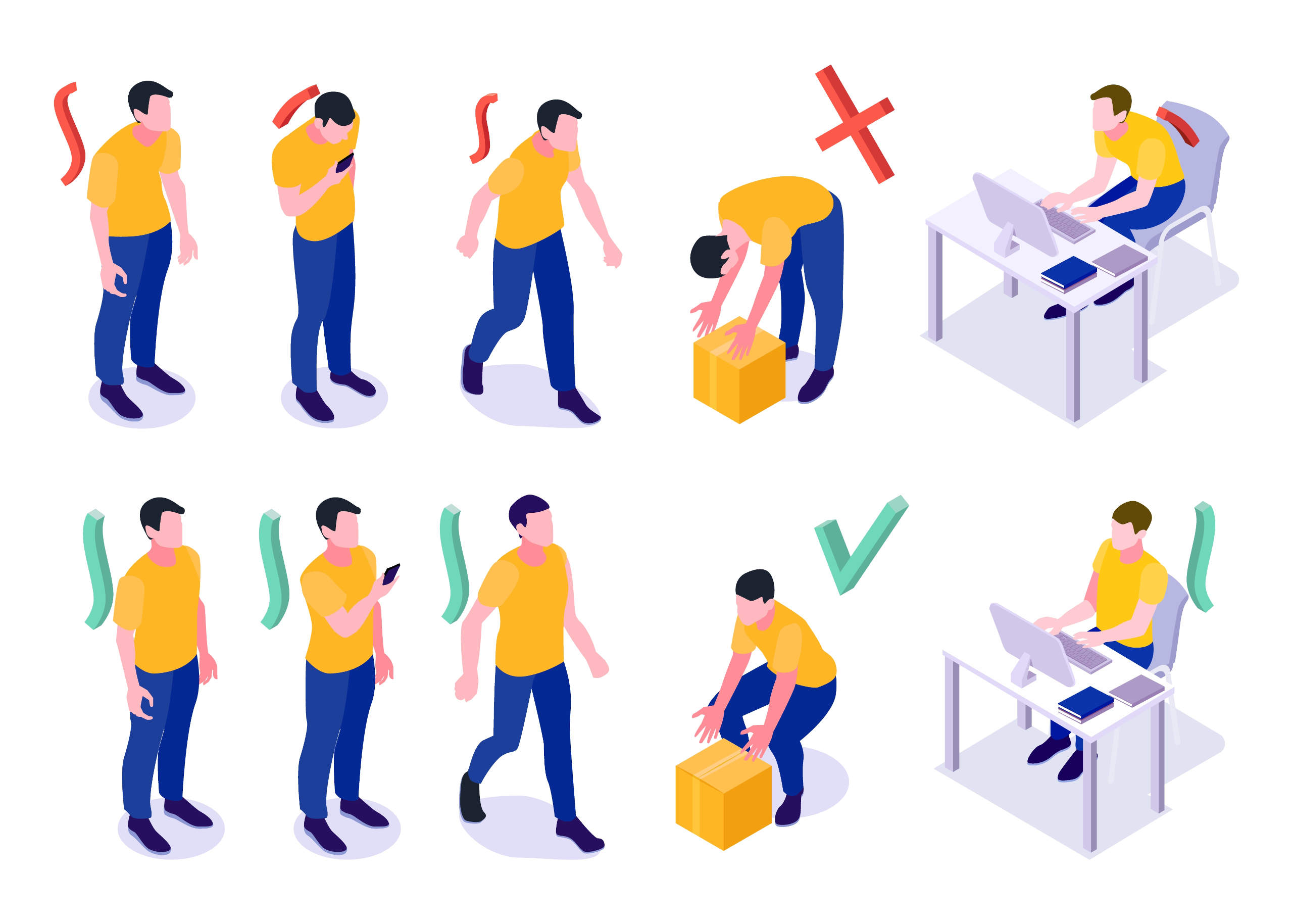
Learning to move more efficiently and with greater awareness can reduce strain on joints and muscles, leading to decreased pain and improved function.
Adopting AT practices, whether through dedicated alexander sessions, yoga sessions or online coaching, has been demonstrated to improve posture and workplace ergonomics.
Studies have shown that these improvements can significantly enhance endurance, reduce fatigue, and lower the risk of repetitive stress injuries [5, 6].
3. Stress Reduction
The Alexander Technique helps reduce stress by increasing awareness of how we react to stimuli.
It teaches us to recognize and release habitual tension in response to stressors, improving posture, movement, and breathing.
AT utilises gentle guidance and hands-on instruction to release unnecessary muscle tension.
This approach empowers individuals to cultivate conscious awareness, transforming them from passive observers to active participants in their own lives, as revealed in a study by Kim and Baekin 2014 [7].
This can be especially useful for performance anxiety, promoting calmness and presence.
Research shows that the technique can lower anxiety and stress levels, with studies indicating improvements in posture, pain relief, and overall well-being.
For example, a study published in Psychology of Music found that Alexander Technique lessons improved music performance quality, particularly in high-stress situations, by reducing anxiety and promoting relaxation [8].
By becoming aware of our reactions, we can manage stress more effectively.
Through these practices, the musicians refined their physical technique and cultivated a deeper self-awareness by which AT encouraged a ‘third-person perspective’ – observing oneself objectively – fostering physical and emotional growth.
4. Holistic Approach to Well-Being
In today’s modern world, society often disrupts the natural balance between the mind and body, leading to what is known as psychophysical imbalance.
This disconnection manifests in various ways, and AT plays an essential role in:
- Sustainable relief by addressing the root causes of issues like pain or tension, resulting in long-lasting improvements and a reduced need for external interventions.
- Creating a holistic impact by focusing on the interconnectedness of mind and body for enhanced physical function, improved mental clarity, and reduced stress, leading to a more balanced and integrated life.
- Adaptability in individuals where it applies to various situations and activities, making it a versatile tool for navigating everyday life and achieving goals.
Comparing The Alexander Technique to Other Approaches
So you’re tired of slouching and are ready to reclaim your posture and move with effortless grace using the AT.
However, with so many approaches in the market, choosing the proper method can be challenging. How do you know which technique best suits your individual needs and goals?
Here are some key differences between AT and other common approaches like chiropractic care, physical therapy, and yoga:
| Feature | Alexander Technique (AT) | Physical Therapy |
|---|---|---|
| Focus | Identifying and correcting habitual misuse patterns | Spinal alignment, strengthening, stretching, & balance |
| Relief | Long-term, sustainable relief by addressing root causes | Temporary relief from pain & improved function |
| Impact | Holistic: Physical, mental, and emotional well-being | Primarily physical function |
| Benefits | Prevents future pain & dysfunction, improves overall well-being, adaptable to various needs | Improves physical function, and pain relief |
Disclaimer: This information is for general knowledge and comparison purposes only. It does not constitute medical advice. Consult with qualified medical professionals if you are experiencing body pain.
Sage Chiropractic’s Unique Approach
Sage Chiropractic tailors their AT approach to meet the specific needs and goals of each individual, recognizing that everyone is unique.
Here are several key identifying aspects of Sage’s unique approach:
- Personalized AT sessions
Whether it is the quality of your voice, lower back pain, or poor posture, Sage Chiropractic is tailored to your personalized treatment plans, targeting your specific concerns to help you feel better.We all know that life can get hectic. So, even if you can’t attend an in-person session with your AT teacher, Sage offers personalized online coaching to fit your busy schedule, although in-person sessions are encouraged for better results, as you will be able to get hands on guidance from the AT teacher - Integration with Other Wellness Methods
With the focus on a holistic approach to wellness for patients, Sage Chiropractic may also integrate AT with other complementary therapies, such as chiropractic adjustments, soft tissue therapy, neuro emotional technique, stretches and strengthening exercises, or supplement recommendations to create a comprehensive wellness plan for each patient. - Qualified Practitioner
Ms. Goh Shian Li is a chiropractor with extensive experience in AT, having trained at the School of F.M Alexander Studies Melbourne, Australia.She also trained in Alexander Yoga and provides private sessions to individuals that need strengthening and flexibility, or that may have certain injuries but still hope to reap the benefits of Alexander Yoga.
Alexander Technique for Musicians and Performers
The AT is particularly valuable for musicians and performers, helping prevent injuries and address repetitive strain injuries (RSI).
Musicians often experience physical tension or overuse injuries due to prolonged practice and performance under pressure.
By promoting efficient movement and alignment, the AT reduces unnecessary strain and improves physical endurance.
Ms. Goh has conducted numerous workshops and talks tailored to musicians and performers.
These include sessions for organizations such as the Malaysian Philharmonic Orchestra, Penang Philharmonic Orchestra, and the UCSI Piano Pedagogy Conference. Additionally, she has led workshops at Rondofest, the University Science Malaysia (USM) School of Arts, and international events like the Georgetown Festival.
These sessions cover topics like injury prevention, stress management, and improving performance through better movement and body awareness.
Through AT, musicians and vocalists gain tools to recognize and release habitual tension, enhancing their ability to play or sing with greater ease and freedom.
This holistic approach not only helps in injury prevention but also fosters a deeper connection between the body and the artistry, empowering performers to achieve their full potential.
Move with Grace. Feel the Freedom.
The Alexander Technique isn’t about quick fixes, but about cultivating lasting change. By gently guiding users towards ‘good use,’ AT helps you rediscover effortless movement, improve your posture, and say goodbye to nagging aches and pains.
Experience a new approach to movement and feel the positive impact on your body.
Read What Our Clients Say About Us!



Contact Sage for more information on AT and explore how we can help you.
Disclaimer: This article is for informational purposes only and does not replace professional medical advice. Consult with qualified medical professionals if you are experiencing body pain.

Related Articles
How effective is the Alexander Technique? Your Definitive Guide
Relieve pain, improve posture, and reduce stress with the Alexander Technique. Explore its effectiveness and discover if it's the right solution for you.
14 February, 2025
What is Neuro Emotional Technique (NET)? (And Does it Really Work)
In this article, we discuss how NET works, its effectiveness, the conditions it targets, whether it’s right for you, and how it compares to other therapies. Read to learn more!
04 March, 2025
Benefits of Paediatric Chiropractic Care For Children
Explore the benefits of paediatric chiropractic care to support your child’s posture, mobility, and overall health with gentle spinal adjustments.
04 April, 2025
What is Sacro-occipital Technique? A Complete Guide
Curious about the Sacro-occipital Technique (SOT)? This guide explains this gentle chiropractic approach and its potential for easing pain and discomfort.
02 May, 2025
All You Need to Know About Dry Needling Technique
Explore the benefits of dry needling for pain relief and muscle tension. Learn more about this chiropractic technique and how it can help you feel better.
28 May, 2025
FAQs About Applied Kinesiology: Everything You Need to Know
Get answers to all your questions about Applied Kinesiology! Discover how this holistic approach can help identify imbalances and improve your well-being.
03 July, 2025


